Carol Munar

Product Designer

Say Hola!
Estylar

AI Body Scanner for Size Recommendations

Year 2019
Industry B2B/B2C · SaaS · Ecommerce
Scope Founder Designer

Online fashion has a sizing crisis. Shoppers can't try clothes on, so they order multiple sizes, keep one, and return the rest. Return rates in fashion ecommerce sit at 30–40%—a cost most retailers quietly absorb.

Estylar was building a solution: an AI body scanner that used a short phone video to generate accurate body measurements and recommend the right size, directly inside a retailer's checkout flow.

I joined as founding designer. There was a working prototype of the computer vision model, a technical co-founder, and no product design at all. My job was to turn a research tool into something a real shopper would trust and use.

The Brief

Design a scanning experience that feels effortless and earns trust—even when asking users to point a camera at their own body.
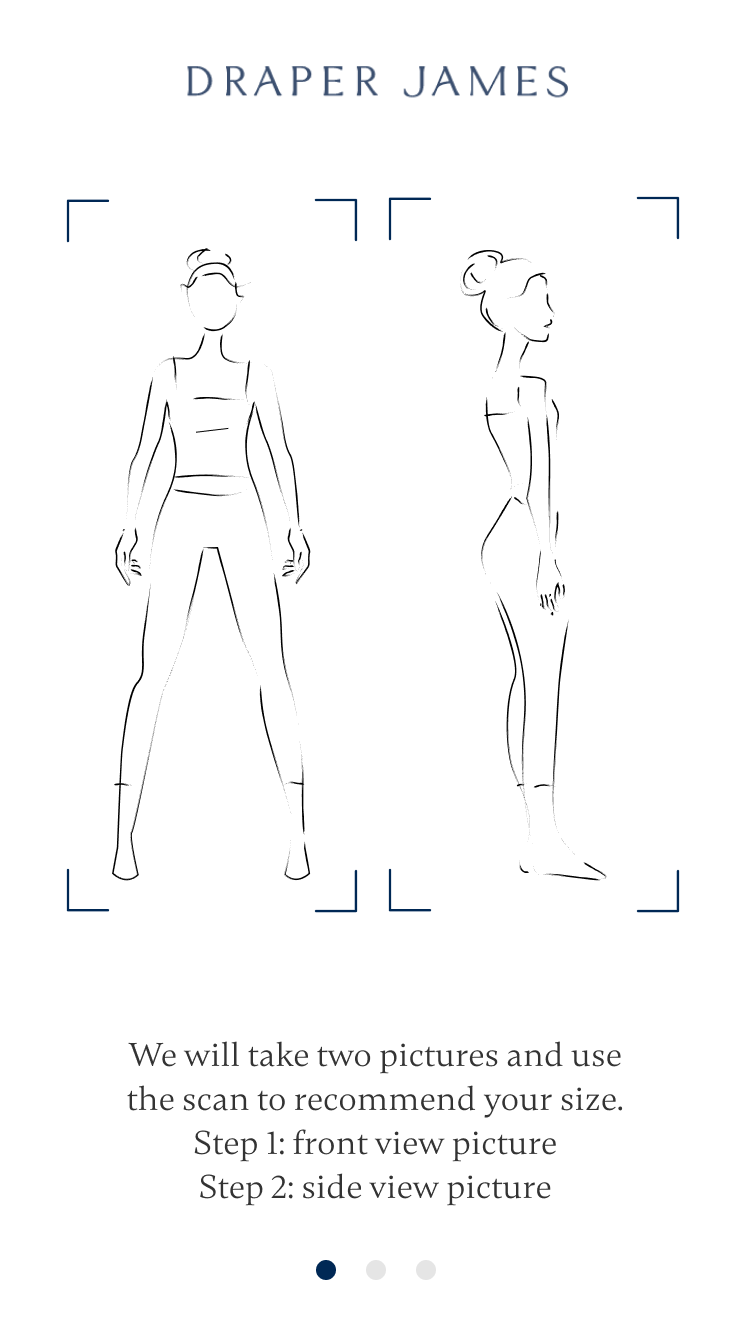
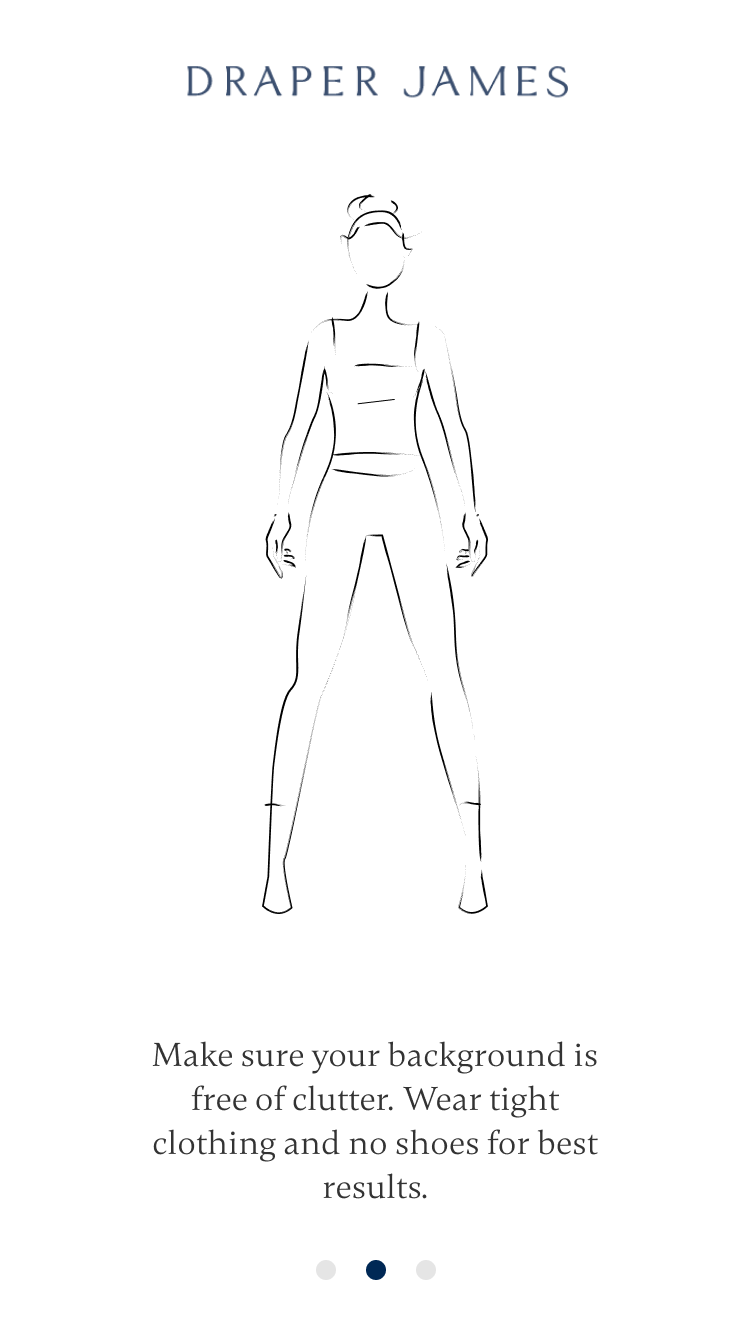
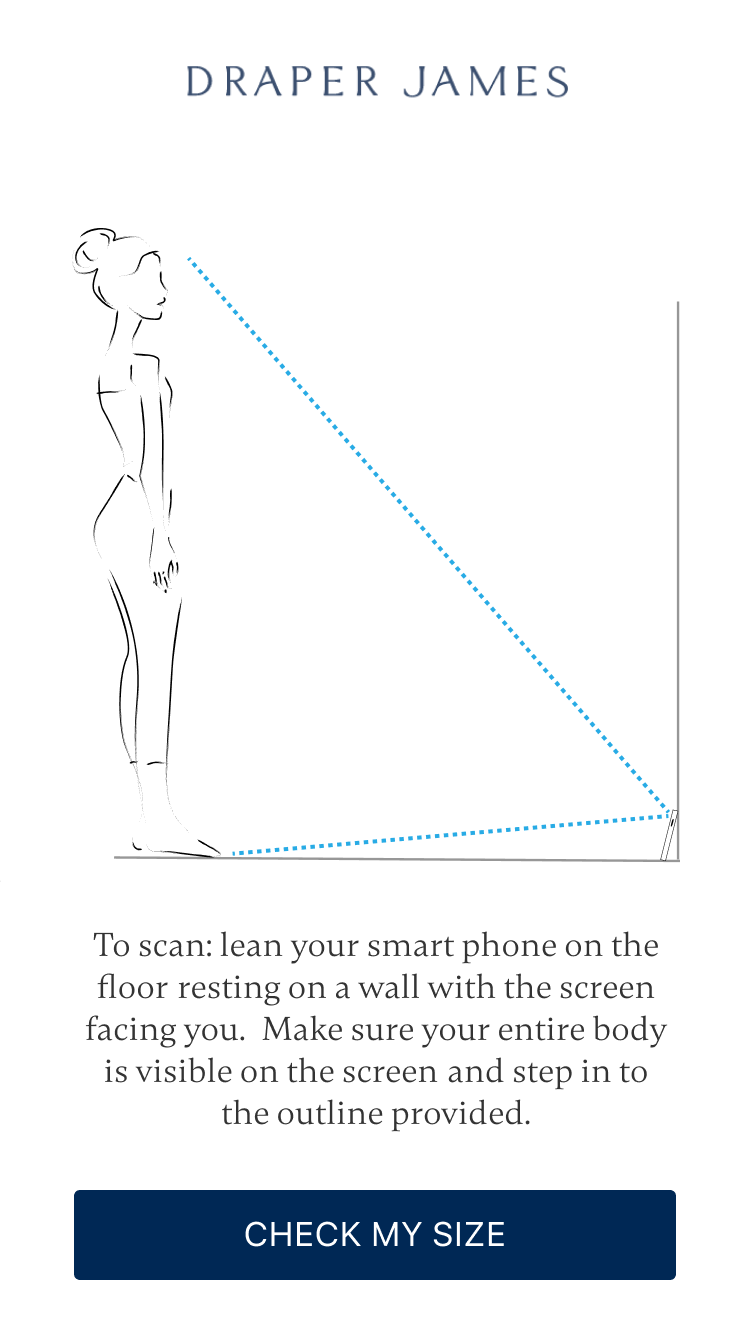
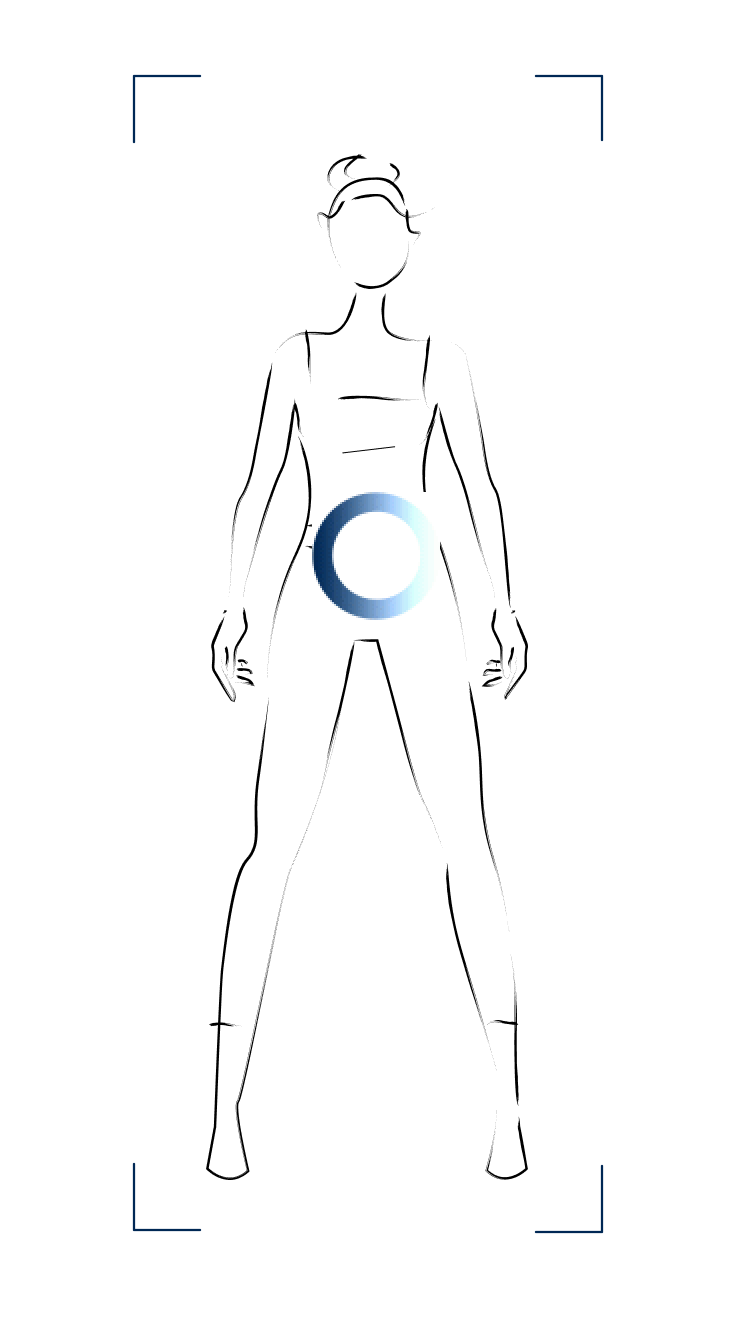
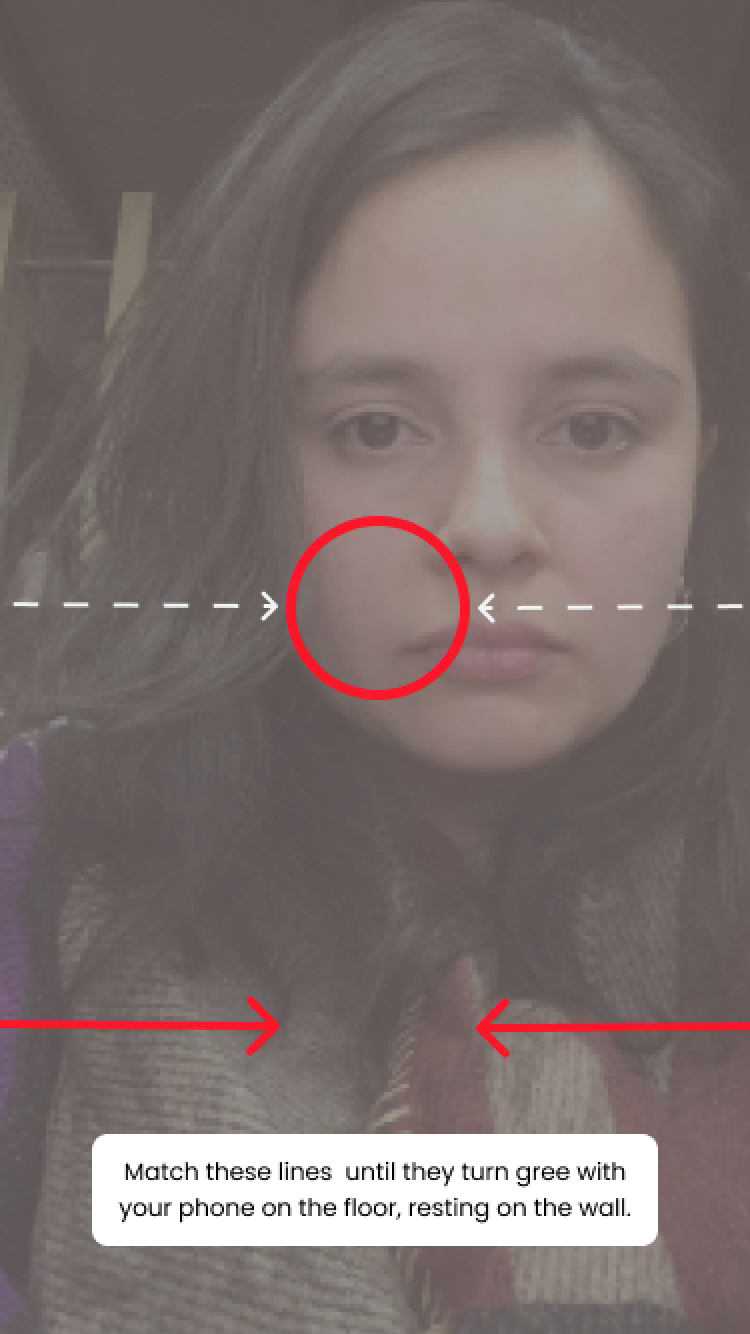
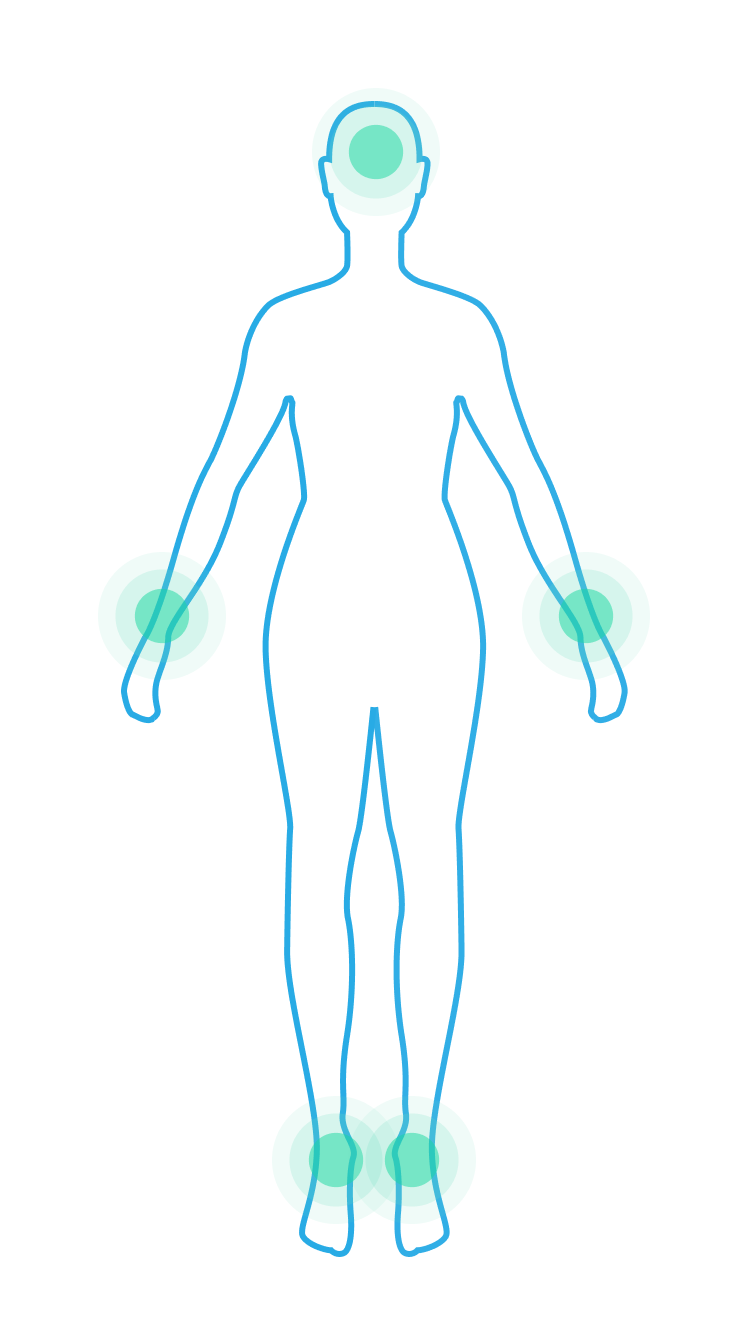
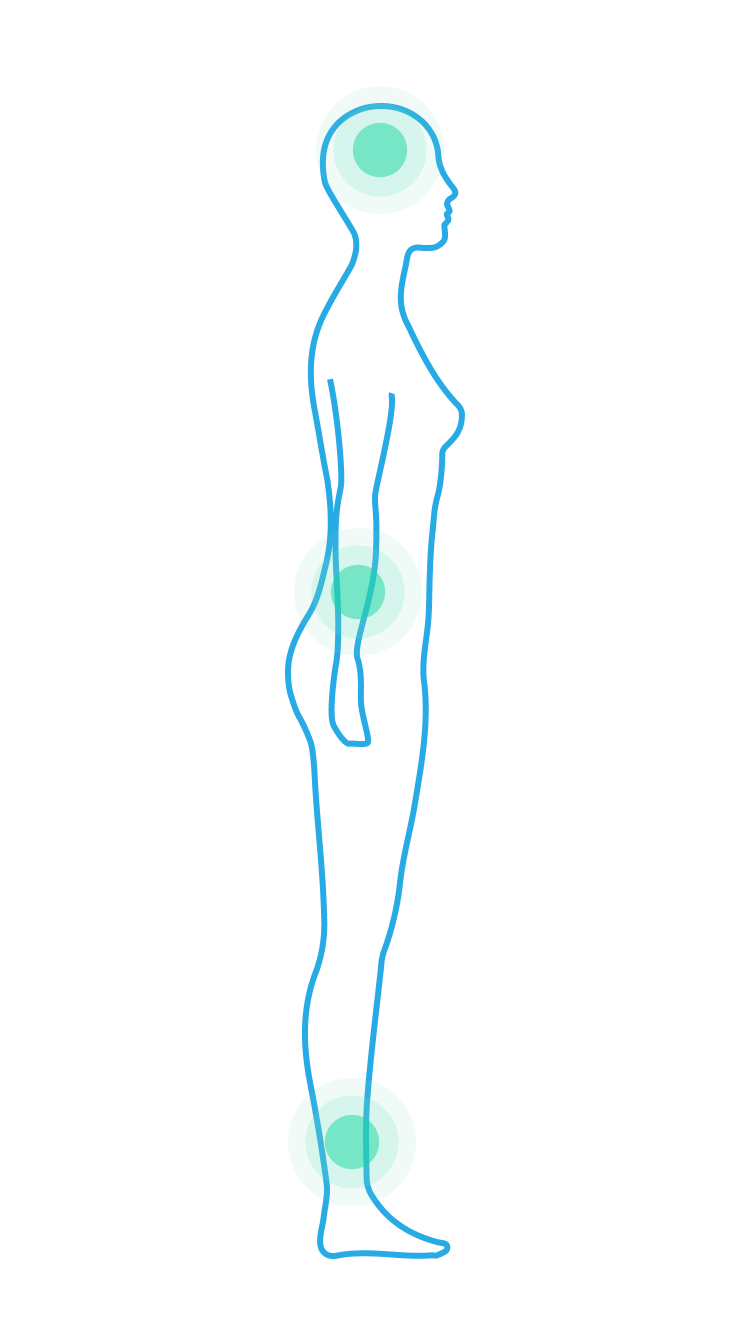
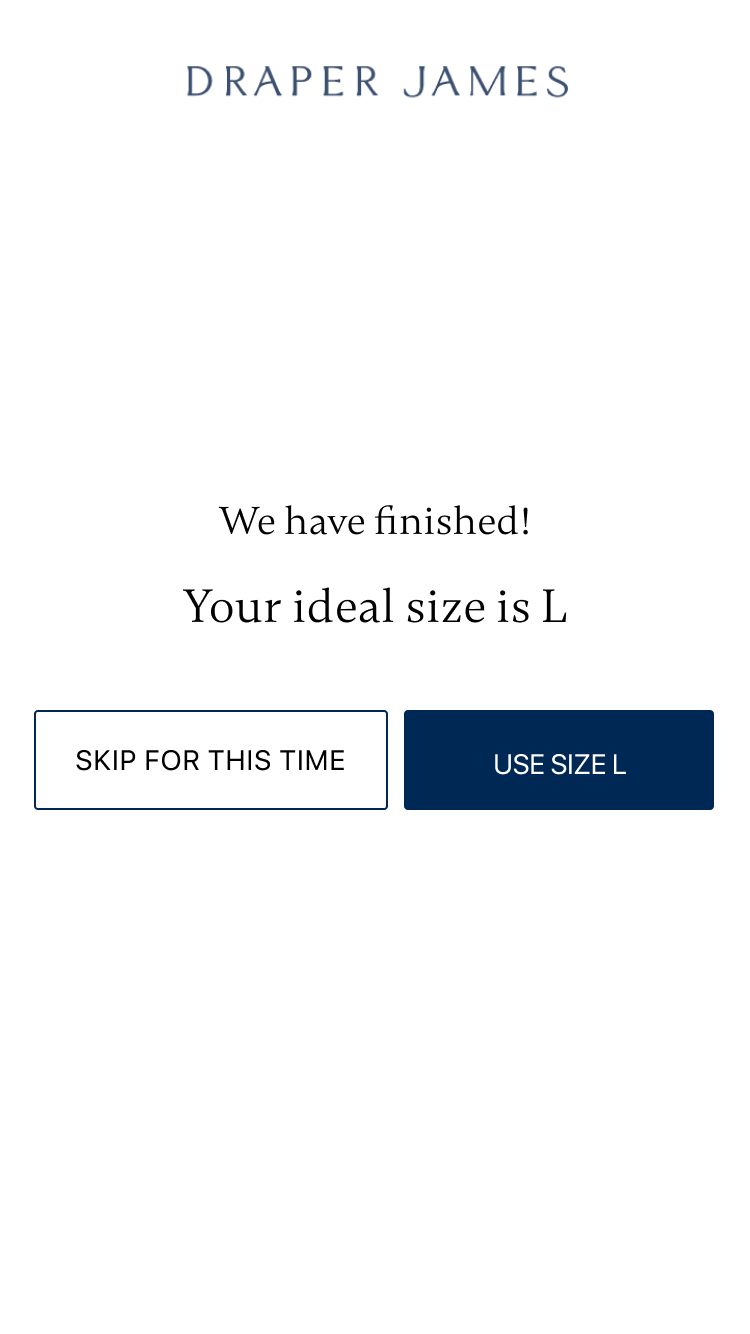
Estylar — welcome and scanning introduction Estylar — body position guidance Estylar — scanning in progress Estylar — body measurements results Estylar — size recommendation Estylar — add to cart with recommended size

I ran interviews with online shoppers and looked at where trust breaks down in the sizing experience. Two patterns came up everywhere.

First: people don't trust size charts. They've been burned. A "medium" in one brand is an "XL" in another. Most shoppers already had a workaround— reading reviews, checking model measurements, ordering two sizes.

Second: asking someone to record their own body felt invasive. We heard it immediately in testing. "What happens to the video?" "Does it get stored?" "Who sees it?" Before anyone would try the scanner, they needed to know the answer to those questions.

I also mapped the existing checkout flows of our B2B retailer partners to understand where Estylar would live and what handoff moments we needed to design.

Estylar — privacy explanation screen Estylar — alternative measurement flow Estylar — size history and profile

The biggest design challenge wasn't the scanning UI itself—it was the 30 seconds before it. Users needed to understand what was about to happen, why it was safe, and what they'd get out of it. If we lost them there, they never started the scan.

I designed a three-screen trust sequence: what Estylar measures, what happens to the data (processed on-device, not stored), and what they'll receive. Only then does the camera open.

For the scanning itself, I built real-time guidance overlays—a silhouette guide that filled in as the AI confirmed correct body position. This gave users feedback that something was actually working, which dramatically reduced drop-off during the scan.

Results came back as a recommended size with a confidence level and a plain language explanation: "Based on your measurements, a Medium will fit you best in the chest and shoulders." Not just a letter. A reason.

Metric Before After
Scan completion rate 74%
Size-related returns 38% 21%
Repeat scanner use 61% of users

The trust sequence made the difference. Pilot retailers saw a meaningful drop in size-related returns, and more than half of users who scanned once came back to use it again on their next purchase.

Trust is a design problem, not a legal one.

Adding a privacy policy link didn't move the needle. Showing users exactly what happens—step by step, in plain language—did. Transparency through design is more powerful than compliance through text.

Feedback during a process matters as much as the outcome.

The scanning silhouette overlay wasn't technically necessary—the AI worked without it. But it transformed a tense 15-second wait into a clear, trackable task. Perceived progress is real progress.

As a founding designer, you own the whole problem.

There was no PM, no design system, no research team. I learned to move fast on decisions I could reverse and slow down on the ones I couldn't. Defining what "done" looks like—and keeping the team aligned on it—was as much of the work as designing the screens.